
Why this guide to road bikes ?
You're looking to buy a road bike, but between carbon frames and groupsets Shimano, “endurance” or “race” geometries, you don’t know where to start? Welcome to LVR Cycles.
Here, we talk about bikes with passion, but without blah blah. We ride, we test, we adjust, we advise cyclists like you every day. Whether you're a motivated beginner or an old hand at the peloton, this guide is here to help you choose. the road bike that suits you : the one that matches your size, your terrain, your level, your desire to progress.
In this file, we take you with us to:
- understand the real technical differences between models,
- know what to look for before buying (and avoid classic mistakes),
- finding the right balance between comfort, performance and budget,
- and equip yourself with everything you need to ride happily… and for a long time.
You will see, choose a good one road bike, it's a bit like choosing a pair of competition shoes: it has to suit your style, your body and your practice. And if it also makes you want to go out even when it's raining... then you've found the right one.

⚙️ I. What Makes a Good Road Bike (and How to Recognize Yours)
Choosing a road bike isn't just about comparing weights or prices. It's about understanding. how each component impacts your feelings, your performance and your pleasure of riding. And that, at LVR Cycles, we see it every day: a good bike is not necessarily the most expensive, it is the one that fits perfectly your practice and your body.
The frame, the basis of all sensations
We logically start with the frame, because it is this that determines the overall behavior of the bike. There is of course the eternal debate between aluminum and carbon, but in reality, it is not just a question of material, it is a question of feeling and practice.
Aluminum, more affordable, offers an excellent compromise for beginners or regular riders without breaking the budget. It's rigid and responsive, and allows you to have a well-equipped machine for a reasonable price. On the other hand, it transmits road vibrations more directly, which can be tiring on long rides.
Carbon, on the other hand, is a different story. It offers improved lightness, comfort, and often improved steering precision. This material has the ability to absorb micro-shocks while maintaining excellent lateral rigidity. The result: you climb more easily, accelerate better, and finish your rides less shaken. It's often what our customers turn to after a few months of regular riding, once they've experienced the pleasure of the road and want to move upmarket.
But be careful, not all carbons are equal. There are good and bad parts, depending on the manufacturing processes, the geometry of the frame and the quality of the assembly. This is where our role as technicians takes on its full meaning: to guide you towards a well-designed, reliable frame adapted to your morphology.
Transmission: smooth, responsive and adapted to your terrain
When we talk about transmission, we first think of the number of gears or the group brand. But that's only part of the picture. What really matters is the harmony between your development, your playing field, and your way of pedaling.
If you often ride on hilly terrain or are aiming for long rides with elevation gain, a compact crankset (50/34) with an 11-32 or 11-34 cassette will provide you with a lot of comfort without sacrificing your speed on the flat. Conversely, if you ride more on flat terrain or are looking for a responsive bike for short but intense rides, a more “racing” setup could be considered.
The real mistake we often see? Choosing a bike with gears that are too demanding, because we think it's more "sporty." The result: you're grinding through the bumps or climbing hard, and you tire more quickly. A suitable transmission is the assurance of riding further, more often, with a smile.
At the house of LVR, we work with Shimano, , SRAM And Campagnolo, and we always take the time to explain the differences between a 105, Ultegra, GRX or Rival groupset. Because yes, it changes your pedaling.

Wheels and tires: direct contact with the road
It's often the last thing we think about… and yet, wheels and tires directly influence your comfort, speed, and safety. A pair of wheels that are too heavy can ruin a high-end frame. Conversely, good wheels can completely transcend a mid-range bike.
The lighter the wheels, the faster they respond to acceleration. The stiffer they are, the more you feel the power coming through. But don't forget the profile: tall rims are good for aerodynamics and straight-line stability. But in the mountains or on winding roads, a lower profile offers more responsiveness and comfort.
When it comes to tires, the debate between 25 mm and 28 mm has long been settled: today, 28 mm has become the standard for the majority of cyclists. More comfort, more grip, and paradoxically... often less rolling resistance, especially at the same pressure. You can ride at 6.5 bars instead of 8, and protect your hands, your back, your neck.
And if you want some real mechanic advice: never forget to check the pressure before each ride. An underinflated tire means a guaranteed puncture or sloppy handling.
Braking: the disc revolution
If you're still undecided between rim brakes and disc brakes, you really need to try both. Most modern road bikes are now equipped with disc brakes, and for good reason.
Braking is more consistent, more powerful, and much more reassuring in the rain or on technical descents. You no longer have to worry about whether your rims are dry or your brake pads are properly aligned. And in the long run, discs require fewer fine adjustments... even if their maintenance is a little more technical.
While rim brakes are simpler and lighter, they may be suitable for those who only ride in good weather or on flat terrain. But for a regular or committed practice, the disc brings real mental comfort.
Positioning: because every body is different
Finally, let's talk about what many cyclists discover... too late: positioning. You can have the best bike in the world, but if your saddle is too low or too far forward, or if your stem is too long, you risk pain, premature fatigue, or even injury.
At the house of LVR, we adjust each bike to your body. We take the time to adjust the saddle height, the setback, the handlebar height. And if you want to go further, we offer a complete bikefitting, to optimize your comfort and pedaling power.
Because yes, when properly adjusted, your bike becomes an extension of yourself. And you'll feel the difference from the first few kilometers.
 |
 |
 |
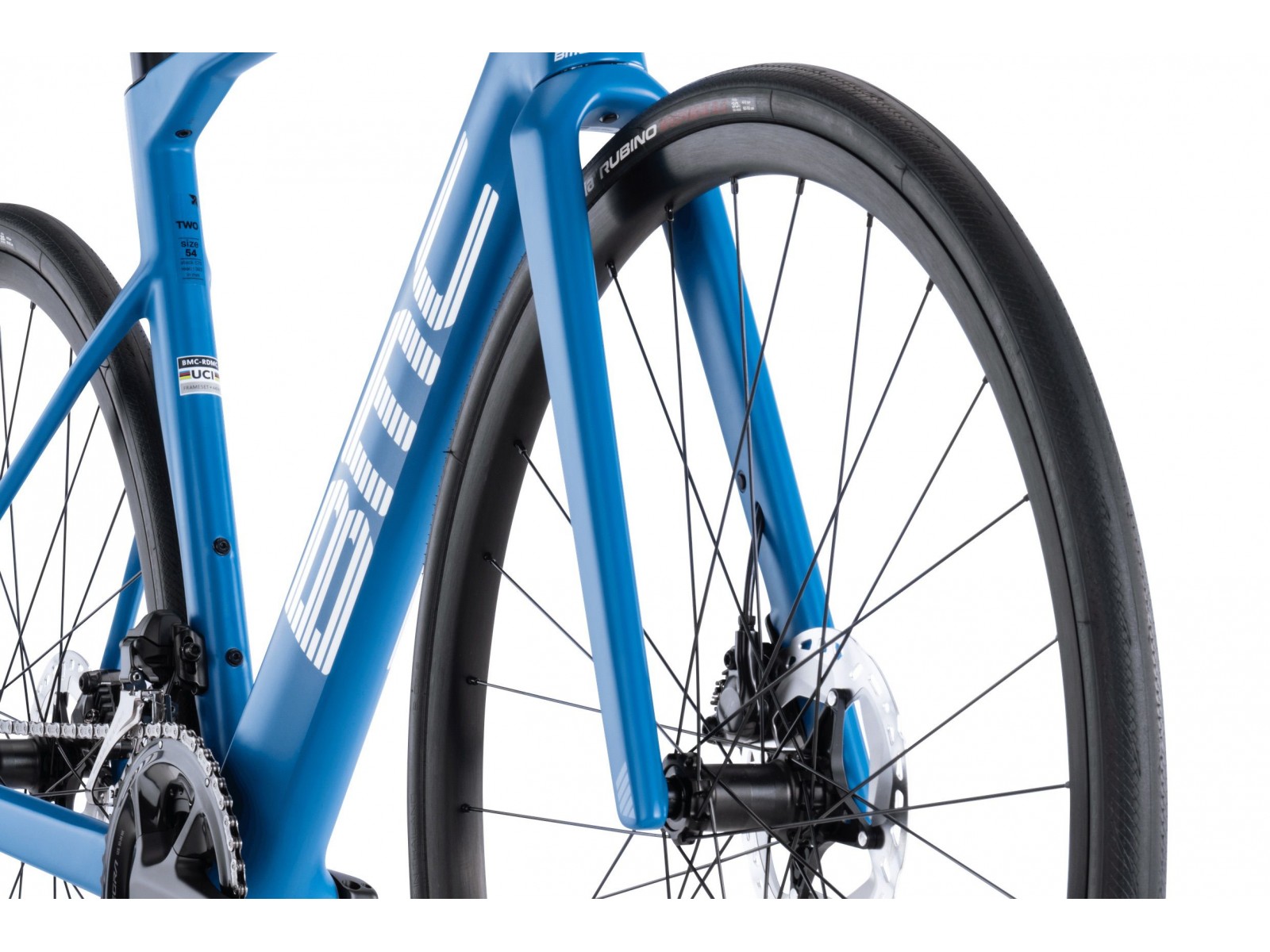
II. To each his own road bike: uses and profilesWhat we love about the road bike, is that it lends itself to a thousand ways of riding. You can use it to go to work, climb Mont Ventoux, line up cyclosportives or simply escape on Sunday morning. And that's precisely why it doesn't exist only one good road bike, but as many good choices as there are cyclists. You still need to know what you want to do with it — and what you want to feel. Are you just starting out? Aim for comfort and versatilityIf you're just getting started on the road, the desire is often there, but the experience is still a little vague. You want to ride regularly, progress, maybe go out with a local club or better-equipped friends. In this case, forget the 6.5 kg "full carbon pro" bike. What you need is a machine that forgive you for the trajectory errors, puts you at ease from the first turns of the pedals, and above all makes you want to leave the next day. A well-designed aluminum frame, a comfortable cockpit, a smooth transmission and safe braking. This is what is very often offered with entry-level and mid-range models from brands like Lapierre, Cube or Orbea Cercélo, Mégamo, Focus: reliable, well-equipped, and built to last. And believe me, a bike that's well-designed for comfort can be much faster than a machine that's not suited to your ability or body type. We see customers who are blowing up their Strava counters... with bikes costing €1,200, because they're perfectly in tune with their machine. Aiming for long distances? Choose endurance before pure speed.Riding far is another thing altogether. It's not the average hourly speed that counts, but the ability to go for hours without your body begging you to stop. For that, so-called "endurance" bikes are perfect. More relaxed geometry, slightly raised top tube, filter wheels, wider tires... Everything is designed for protect your back, your neck, your wrists and maintain a stable position for 4, 5, or even 8 hours. We have quite a few at LVR, and we know which ones will handle the cobblestones of the Ardèche, the windy false flats of Languedoc or the rough roads of the Southwest. And if you want to add a saddle bag, a discreet mudguard or a lightweight luggage rack for bikepacking, we can also guide you. Are you looking for performance? Now we're entering another world.Here, we're talking watts, stiffness, and aerodynamics. Your thing is to push hard, measure yourself against others, and seek pure speed. The bike must respond instantly, accelerate without losing inertia, and remain stable at high speeds. And that's where carbon race frames come into their own. Bikes like the Cervélo Caledonia, BMC Teammachine, with high wheels, an integrated cockpit, aggressive geometry: it's demanding, but it fires. It's the kind of machine we often prepare at LVR for amateur competitors, KOM hunters or those who want to have fun with high-flying equipment, even without a bib. We'll always tell you the truth: this type of bike is exhilarating... provided you have the right engine. Otherwise, you might just burn out sooner than expected. Are you hesitating between a mountain bike, a gravel bike, or a pure racing bike? Let's clarifyWe are often asked the question: “And compared to a mountain bike, is it better?” Or even: “Isn’t a gravel bike more versatile?” These are good questions, and the answer once again depends on your land And of what you want to feel. A road bike is the best possible performance on asphalt. Every pedal stroke makes you go faster. You go further, higher, harder with less energy. On well-surfaced roads, it's unbeatable. But if you feel like going off-road, a gravel bike will be more comfortable and reassuring. And if you want to go off-road, then, of course, you need a real mountain bike. A racing bike, on the other hand, is often a more extreme road bike. Same geometry, but lighter, stiffer, with a more recumbent position and components optimized for speed. It's what we call a bike "to ride on good days, with good legs." |
III. Equipping yourself well: what really matters
A road bike is a start. But to really enjoy it, to ride it often and for a long time, you need to think about everything that goes into it: outfit, accessories, tools, settings. This is where the difference lies between an “okay” exit and one where you come back with a smile, even if you are exhausted.
Outfit: your first shield against fatigue
If you're just starting out, you might not believe it yet. But if you're already riding, you know: a good pair of shorts changes everything. It's not an accessory, it's a necessity. Well-adjusted and well-padded, it prevents chafing and numbness, and allows you to stay in the saddle for hours without suffering. Add to that a breathable jersey, technical underwear if necessary, and a lightweight jacket in case of unpredictable weather.
We're not talking about "cycling style" here, but aboutefficiency and thermal comfort. Proper clothing means less energy loss, less risk of injury, and better recovery.
Want to ride in winter? There are lined tights, windproof jackets with ventilated backs, and even touchscreen gloves. We test them all in-store, and we can guide you on what's best for you based on your riding style and your tolerance for the cold.
Game-changing accessories
Want to ride far? Then think about what you take with you. road bike saddle bag, very compact, can hold an inner tube, two tire levers and a mini pump. You can also slip in a CO₂ cartridge or a multi-tool, just to be prepared for anything.
Want to carry a little more? There are now rear or frame bags specifically designed forroad bikes : thin, aerodynamic, waterproof. And contrary to popular belief, a luggage rack can be mounted on certain endurance models or with discreet bindings. Do you want to go it alone? Let us know, we'll be able to guide you to the right supports.
And on the security side, we have more and more requests for a discreet road bike mirror, clipped onto the handlebars or grip. Yes, it's possible. Yes, it's useful. And no, it's not just for retired cycle tourists—it's just a good idea when you're riding in the city or on country roads.
The invisible but essential material
When you maintain your bike yourself, you enter into a different relationship with your machine. You learn to listen to it, to anticipate, to feel. But for that, you need the right tools: a torque wrench with a tightening torque table for your carbon frame, a chain tool, a set of Allen keys, a stable workshop stand.
It's not necessary to invest in a complete workshop right away. But at LVR, we see a lot of customers frustrated at having to go to the workshop to change a simple cassette or adjust a headset. By gradually equipping yourself, you gain autonomy... and pleasure.
Brands that make a difference (and those we recommend)
You'll see a thousand brands online. But not all of them are equal. At LVR, we work with those we know well, because we have assembled them, tested them, repaired them. We are talking here about Vervélo, for its French rigor and its well-designed models; BMC, for the quality of its carbon and its sharp geometry; Focus, for the price/equipment balance, or even BMC, for lovers of Swiss precision and sleek design.
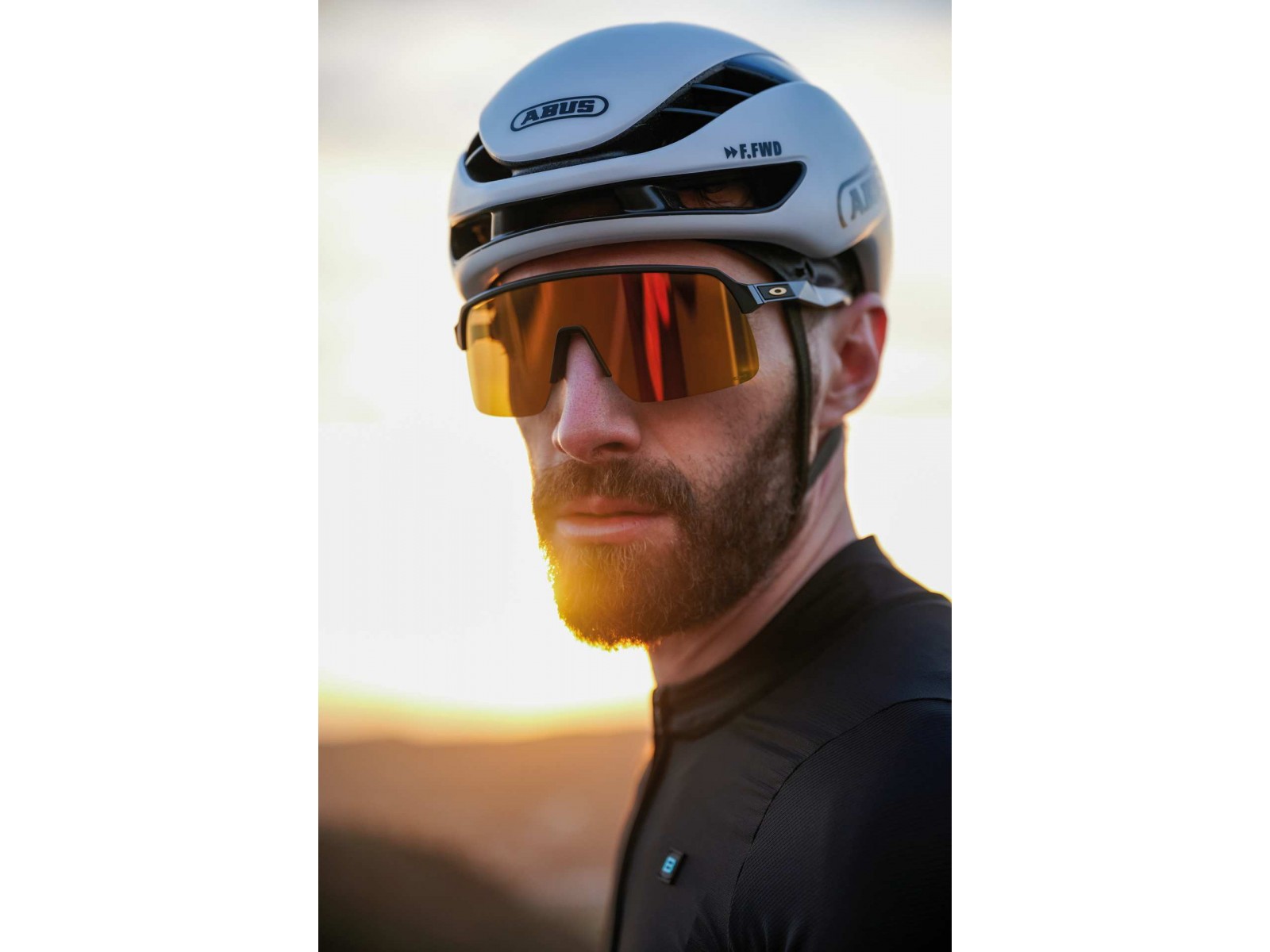
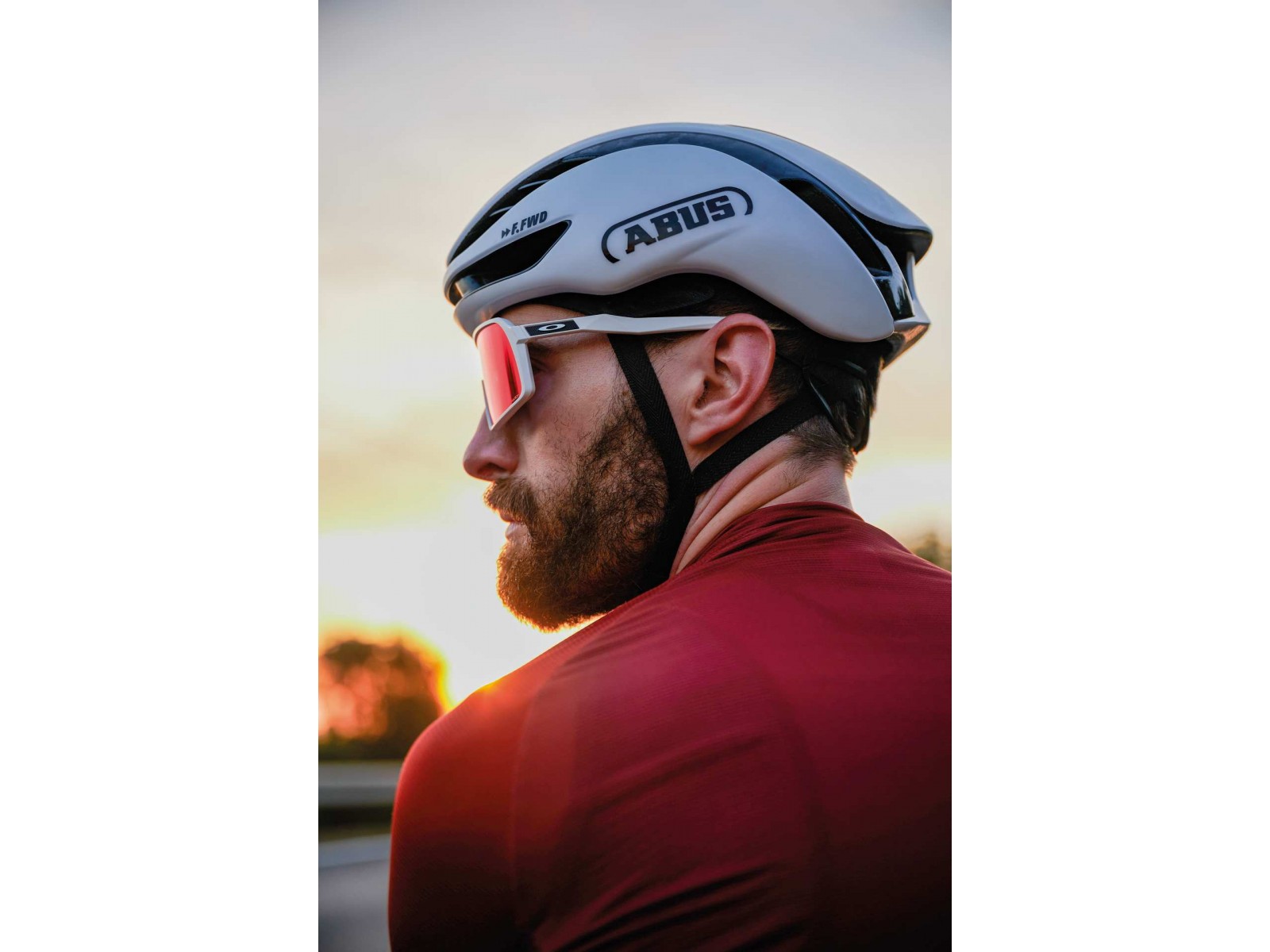
And beyond the bike itself, we also recommend the right equipment: ergonomic saddle, , compact hanger, , powerful lights, , GPS counter, , automatic shoes...It's all these little extras that transform your practice into a true, lasting passion.
 |
 |
IV. Our favorites at LVR Cycles
You understood it, at LVR Cycles, we don't push you to buy the most expensive bike. We help you choose the one who will make you ride often, for a long time, and with a smile. We test the models, we assemble them, we adjust them every day in the workshop. And above all, we listen to our customers when they come back to us and say: “Thank you, it was exactly what I needed.”
Here are some of the models that we really like to recommend, because they do the job well, that they have a great value for money, or that they tell us bluffed on the field.
To start with requirement: the Cervélo Soloist Ultegra Di2
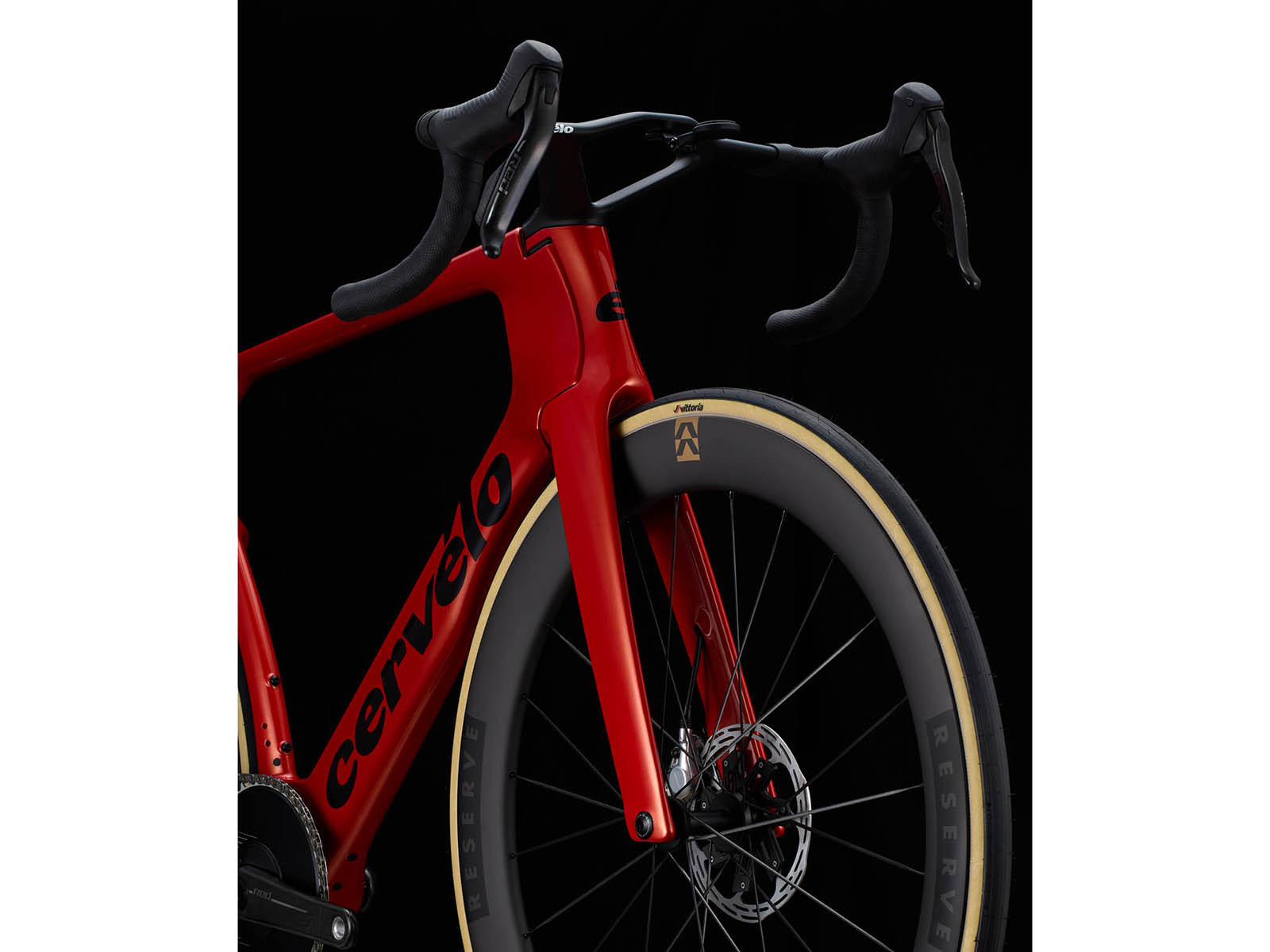
Are you looking for a bike to get you started seriously, without wanting to compromise? Then forget the entry-level range and take a look at the Cervélo Soloist Ultegra Di2. This bike is clearly the choice of the ambitious cyclist from the first outing : a carbon aero frame from competition, an ultra-precise Di2 electronic transmission, and a look that doesn't go unnoticed, especially in this Gold Dust color.
But beware, it remains surprisingly accessible in its behavior. Its well-thought-out geometry offers a good compromise between performance and comfort, which makes it an excellent first high-end road bike. You'll progress quickly with it, without feeling "overwhelmed" by the material. And above all, it will accompany you for a long time, even when you gain strength.
At the house of LVR, this is typically the bike we recommend to those who don't want to change their bike every two years. You're starting strong, but you're just starting.
See the Cervélo Soloist Ultegra Di2 product sheet
 |
To ride long and far: the BMC Roadmachine 01 FOUR Ultegra Di2When you start doing long runs, you quickly understand that comfort becomes a performance factor. And in this category, the BMC Roadmachine 01 FOUR plays in a league of its own. It's a high-end endurance bike, designed to take you far, without compromising on performance. It absorbs the roughness of the road, maintains a stable posture even after 5 hours in the saddle, and allows you to keep your juices flowing when others start to collapse. Its premium carbon frame, rigid but filtering, its balanced geometry and its specific D-Shape seatpost create a perfect alchemy between comfort and efficiency. Add to that the transmission Ultegra Di2 latest generation — smooth, precise, silent — and you have a machine that is as pleasant as it is formidable. This isn't a bike to impress on a café terrace. It's a bike that follows you silently, that supports you when the miles add up, and that always responds when you want to get going again. At LVR, we love it for cyclosportives, long solo rides or club outings at a good pace. |
To send strong: the BMC Teammachine R 01 FOUR Ultegra Di2Do you have a sharp pedal stroke, a taste for sharp acceleration and the desire to get watts on every ride? Then the BMC Teammachine R 01 FOUR is clearly your ride. This bike is not just a “carbon racer”, it’s a precision beast built for attack, born in the professional pelotons and refined for demanding cyclists. Its design is based on an explosive combo: an ultra-rigid premium carbon frame, shapes optimized for aerodynamics, and aggressive but perfectly balanced geometry. Add to that the Ultegra Di2 12-speed drivetrain, a responsive wheelset and an integrated cockpit, and you get a machine that transforms every watt into direct propulsion, with striking responsiveness. This is the bike we recommend to committed cyclosportives, powerful climbers, and weekend racers who like to push each other to the last corner. Clearly, with this bike, you're taking it to the next level. See the product sheet of the BMC Teammachine R 01 FOUR |
 |
❤️ Our team favorite: the BMC Roadmachine Five
There are several of us at LVR to ride with it, or to recommend it regularly. It is aroad bike Modern, versatile, ultra-comfortable with an incredible look. It can handle long distances as well as hard accelerations. And what's more, it accepts wide tires for those who like to flirt with the edges of the road or slightly gritty sections.
If you're looking for a bike that can do it all, without compromising on quality, you've come to the right place. This is the kind of machine you'll keep for a long time.
Every bike we offer you here is assembled and prepared in our workshop, with the right settings, the right advice, and the ability to adapt it to your style. And if you want to try a model, we can organize that for you. With us, The bike doesn't come in a box: it comes ready to ride.
❓ V. Frequently Asked Questions – What you really want to know (and that we are often asked)
♂️ What size road bike for 1.75m ?
That's an excellent question, and you get asked it every day in stores. At 1.75m, you'll generally be between a frame size M or 54 cm. But be careful: it all depends on your inseam length, your bust, your flexibility... and the geometry of the frame. At LVR, we never rely on a generic table: we help you adjust the size according to YOU, not just your height in cm.
♀️ Which road bike for a woman ?
No bike is just for women or men. What matters is morphology. Some brands offer so-called “women’s” frames with a slightly different geometry (shorter top tube, narrower handlebars, adapted saddle). But at LVR, we prefer to talk personalized adaptation. You can absolutely ride a standard model that we will adjust to your comfort with the right components.
Why does a road bike go faster than a mountain bike ?
It's simple: everything is designed for speed on asphalt. The frame is stiffer and lighter, the tires are thinner and inflated to high pressure, and the position is more aerodynamic. The result: every watt you send goes directly to the rear wheel. On the road, it is unbeatable in performance.
⚙️ Which cassette should I choose for a road bike ?
Are you riding on flat ground? An 11-28 or 11-30 cassette will suffice. Want to climb (and not suffer)? Switch to an 11-32 or 11-34 instead. And if you're a beginner or if you're afraid of long climbs, don't hesitate to fit a more flexible cassette. It's better to have a "backup" gear than to put your foot down. We can also advise you on the right one. chainring/cassette ratio depending on your level.
What is the correct pressure for road bike tires ?
It all depends on your weight and the tire section. In general:
- for a 25 mm: between 6 and 7 bars
- for a 28 mm: between 5.5 and 6.5 bars
But above all, Avoid over-inflating. A tire that is too hard loses comfort and grip, and doesn't bring you any real benefit. And remember to check your pressure. at least once a week.
How to brake on a road bike ?
Smooth and predictable. The front brake does 70% of the work, but be careful: you need to moderate it, especially when cornering or on wet roads. The rear brake stabilizes. With disc brakes, the feel is more progressive: you can brake later, harder, without locking up.
Quick tip: Do some controlled braking tests in a straight line before a big descent.
What length of stem do I need ?
It's a question of position more than size. A stem that is too short gives you a feeling of “too close” handlebars, which strains your back. One that is too long, and you stretch out too much, which can create tension. We adjust your stem after seeing you on theroad bike, because it also depends on your flexibility, your shoulder width, and your usage. In general, it's played out to within 10 mm !
How to position yourself correctly on a road bike ?
It's an art! Seat height, setback, stem length, handlebar height... Everything must be aligned with your morphology and your practice. If you want to avoid pain (knees, neck, back), good positioning is essential. At LVR, we can help you sort everything out, or even offer you a complete bikefitting if you want to optimize your comfort and performance.
What is the best value for money road bike ?
This is the question that comes up all the time… and there is no ONE answer. But at home, we really like models like the Cervélo soloist ,or the BMC Roadmachine for their balance of reliability, comfort, features, and price. These are bikes that sell often, with very few returns to the workshop... and many satisfied customers.
 |
VI. Choose well, ride well... and above all, have funIf you've made it this far, it's because road cycling appeals to you. Whether you're already hooked or simply want to discover a new way of riding, you've understood one essential thing: The right bike is the one that fits your body, your rhythm, your desire. At the house of LVR Cycles, we don't sell bikes like televisions. We advise you, we listen to you, we equip you. Because we are cyclists first and foremost, and we know that the magic begins where the material fades in favor of sensation : this perfect exit, this pass that you had never dared, this return with a headwind where you feel stronger than the day before. Do you want to get equipped? Do you want to try it? Do you want to see together what would be best for you ? Because, at the end of the day, road cycling isn't just a sport. It's a way of life. And we're here to help you get there in the best possible conditions. |


